
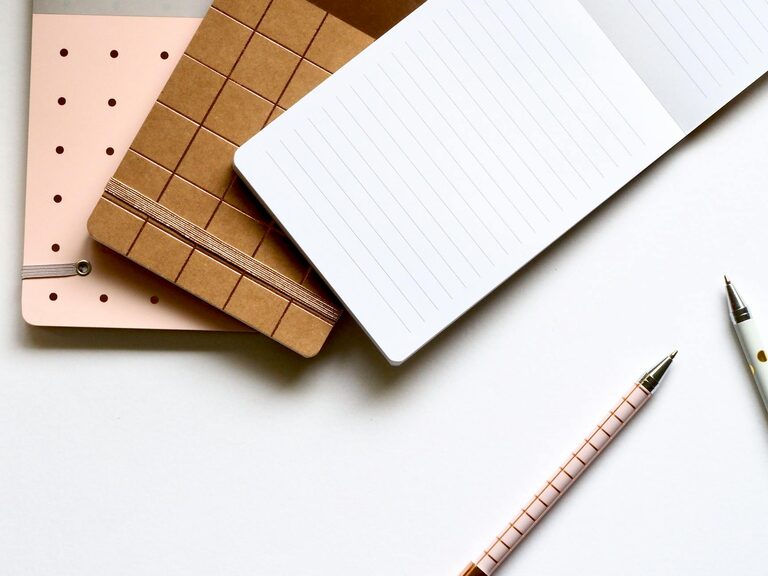
Choosing the right notebook might seem like a simple task, but many people end up with notebooks that gather dust or remain unused. Whether you want to jot down ideas, plan your day, or keep a journal, the right notebook can make all the difference in staying motivated and organized. In this article, we’ll walk you through how to select a notebook you’ll actually use and enjoy.
Why Choosing the Right Notebook Matters
Notebooks come in a vast variety—from cheap spiral-bound pads to luxury leather journals. But beyond aesthetics, the right notebook supports your needs and habits. When your notebook feels inviting and fits your style, it encourages consistent use, leading to better productivity and creativity.
Consider Your Purpose
Before picking a notebook, think about how you plan to use it. Different uses call for different features.
Writing and Journaling
If you plan to write stories, diary entries, or personal reflections, you might want a notebook with:
– High-quality paper that resists ink bleed
– A comfortable size for carrying around or using at your desk
– A durable cover to protect your writing
Note-taking and Study
For students and professionals, the focus might be more practical:
– Sectioned pages or indexing to organize topics
– Grid or lined pages for neat notes
– Perforated pages to tear out handouts
Planning and Organizing
If your notebook is for to-do lists and scheduling, features to look for include:
– Preprinted dates or calendar pages
– Bullet journal-friendly dot grids
– Pocket folders for storing inserts
Choose the Right Size
Notebooks come in many sizes—from pocket-sized journals to large sketchbooks. Think about where and how you’ll use it.
– Pocket-sized (A6 or smaller): Highly portable, fits easily in bags, but limited writing space
– Medium size (A5): A popular balance—portable yet enough space to write comfortably
– Large size (A4 or bigger): Great for sketches or expansive notes but less convenient to carry around
Selecting Paper Quality and Type
The feel and functionality of paper can greatly affect your writing experience.
Paper Weight
Heavier paper (measured in gsm—grams per square meter) tends to be thicker and less prone to ink bleed-through. A good notebook usually has 80–100 gsm paper for smooth writing.
Paper Texture and Color
– Smooth paper: Better for pens and fine writing but can be slippery for pencils
– Toothier paper: Ideal for pencils and some pens, offering grip but potentially less smooth
– White, cream, or colored paper: Cream paper is easier on the eyes for long sessions, while white offers a high-contrast look
Page Format
– Lined: Ideal for writing, journaling, and note-taking
– Blank: Best for sketching or freeform ideas
– Grid or dot grid: Perfect for bullet journaling and combining writing with diagrams
Binding Type and Durability
How a notebook is bound impacts its durability and how it lays flat.
– Spiral binding: Lies flat easily and allows folding back, but spirals can get bent
– Sewn binding: Often more durable and elegant, but notebooks may not lie perfectly flat
– Glue binding: Common with cheaper notebooks; may fall apart more quickly
Also, consider whether you want a hardcover or softcover notebook. A hardcover offers protection but can be heavier, while a softcover feels lighter and more flexible.
Additional Features to Look For
Some extras can enhance your notebook’s usability:
– Ribbon bookmarks: Help you easily find your place
– Elastic closure bands: Keep your notebook securely closed
– Inner pockets: Store loose papers, receipts, or stickers
– Numbered pages or index sections: Useful for organized note-taking
– Perforated pages: Great for easily removing sheets
Personalize Your Choice
Your notebook should feel like a personal space. Choose colors, patterns, or covers that motivate you. Some brands offer customizable notebooks where you can pick features or even add your name.
Tips to Make Sure You Actually Use Your Notebook
Buying the right notebook is step one. Here’s how to make it part of your routine:
– Keep it visible: Put it somewhere you’ll see it daily
– Set small daily goals: Even a few lines a day make a difference
– Use your favorite pen: Enjoy the writing experience
– Combine with habits: For example, writing in your notebook while drinking coffee
– Don’t stress about perfection: Accept imperfect notes; it’s about progress, not polish
Where to Buy Quality Notebooks
You can find good notebooks almost anywhere, but specialized stationery stores, online shops, or even local artisan markets can offer more choices. Reading reviews or asking friends for recommendations can help you find the best fit.
Final Thoughts
Choosing a notebook you’ll actually use is a blend of understanding your needs, preferences, and habits. By considering size, paper quality, binding, and personal style, you can find a notebook that inspires creativity and supports your organization. Once you have the right one, forming the habit of regular writing will come naturally.
Happy writing!