
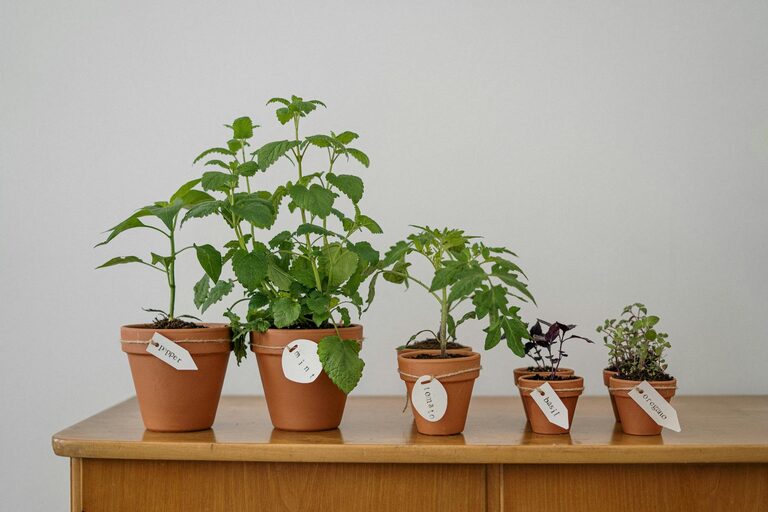
Starting a small herb garden indoors is a rewarding and enjoyable way to bring fresh flavors to your kitchen while adding a touch of greenery to your living space. Whether you have limited outdoor space or just want the convenience of picking fresh herbs anytime, growing herbs inside is surprisingly easy. This guide will walk you through the steps to create a thriving indoor herb garden.
Why Grow Herbs Indoors?
Indoor herb gardening has many advantages. You can:
– Access fresh herbs year-round regardless of the season.
– Save money by growing your own instead of buying packaged herbs.
– Enjoy the visual and aromatic benefits of living plants.
– Control the growing environment, reducing pests and diseases.
– Start gardening without needing an outdoor yard or balcony.
Now, let’s explore how to get started with your own herb garden indoors.
Choosing the Right Herbs for Indoors
Some herbs adapt better to indoor conditions than others. Here are some of the best options to consider:
– Basil: Requires lots of light; perfect for sunny windows.
– Mint: Grows vigorously and can tolerate partial shade.
– Parsley: Prefers moderate light and cooler temperatures.
– Chives: Easy to grow and grow well in pots.
– Thyme: Likes moderate light and dry soil.
– Cilantro: Needs bright light and cool temperatures.
– Oregano: Requires bright light and well-drained soil.
Starting with 3-4 herbs you use most often can make your indoor garden manageable and fruitful.
What You’ll Need to Start
Before planting, gather the essentials:
– Containers: Small pots with drainage holes work best to prevent waterlogging.
– Potting mix: Use a high-quality, well-draining potting soil designed for indoor plants.
– Herb seeds or seedlings: You can start from seeds or young plants from a nursery.
– Light source: A sunny window with 6-8 hours of sunlight or a grow light if natural light is insufficient.
– Watering can or spray bottle: To keep the soil moist but not soggy.
– Plant markers or labels: To keep track of different herbs.
Step-by-Step Guide to Planting Your Indoor Herb Garden
1. Select Containers and Prepare Soil
Choose containers that are the right size for your herbs (usually 4-6 inches in diameter) with drainage holes. Fill them with potting mix, leaving about an inch of space at the top.
2. Plant Seeds or Seedlings
If you use seeds, plant them according to the package instructions, usually at a shallow depth. For seedlings, gently loosen the roots and plant them at the same soil depth they were growing in the nursery container.
3. Position Your Garden
Place your herb containers near a sunny window—south or west-facing windows are often best. If natural light is limited, use LED grow lights to supplement.
4. Water Properly
Water the soil until it’s moist but not wet. Avoid overwatering by checking the soil surface before watering again. Most herbs prefer to dry slightly between waterings.
5. Maintain Optimal Conditions
– Temperature: Most herbs like temperatures between 65-75°F (18-24°C).
– Air Circulation: Good airflow helps prevent mold and pests.
– Humidity: Average indoor humidity is generally fine. If air is dry, occasional misting can help.
Caring for Your Indoor Herbs
Regular Harvesting
Pinch or snip herbs frequently to encourage bushier growth and prevent flowering, which can change the flavor.
Feeding and Fertilizing
Feed herbs every 4-6 weeks with a balanced, water-soluble fertilizer diluted to half strength. Avoid over-fertilizing, as it can reduce flavor intensity.
Pruning and Re-potting
Remove dead or yellowing leaves to keep the plants healthy. As plants grow, they might need larger pots to avoid root crowding.
Troubleshooting Common Indoor Herb Garden Problems
– Leggy Plants: Often a sign of insufficient light. Move plants closer to light sources or add grow lights.
– Yellow Leaves: Can indicate overwatering or poor drainage.
– Pests: Watch for aphids or spider mites. Wipe leaves gently and use natural pest controls if needed.
– Poor Growth: Check for proper watering, light, and feeding.
Tips for Success in Indoor Herb Gardening
– Rotate pots regularly to ensure even light exposure.
– Use clean pots when replanting to avoid diseases.
– Keep your herbs away from cold drafts or heat vents.
– Experiment with different herbs to find what grows best in your environment.
– Consider grouping herbs with similar light and water needs together.
Conclusion
Starting a small indoor herb garden is a fulfilling project that brings fresh ingredients and natural beauty to your home. With a little preparation and consistent care, you can enjoy fresh herbs all year long, enhancing your meals and brightening your space. So grab some pots, choose your favorite herbs, and start growing today!
Happy gardening!